

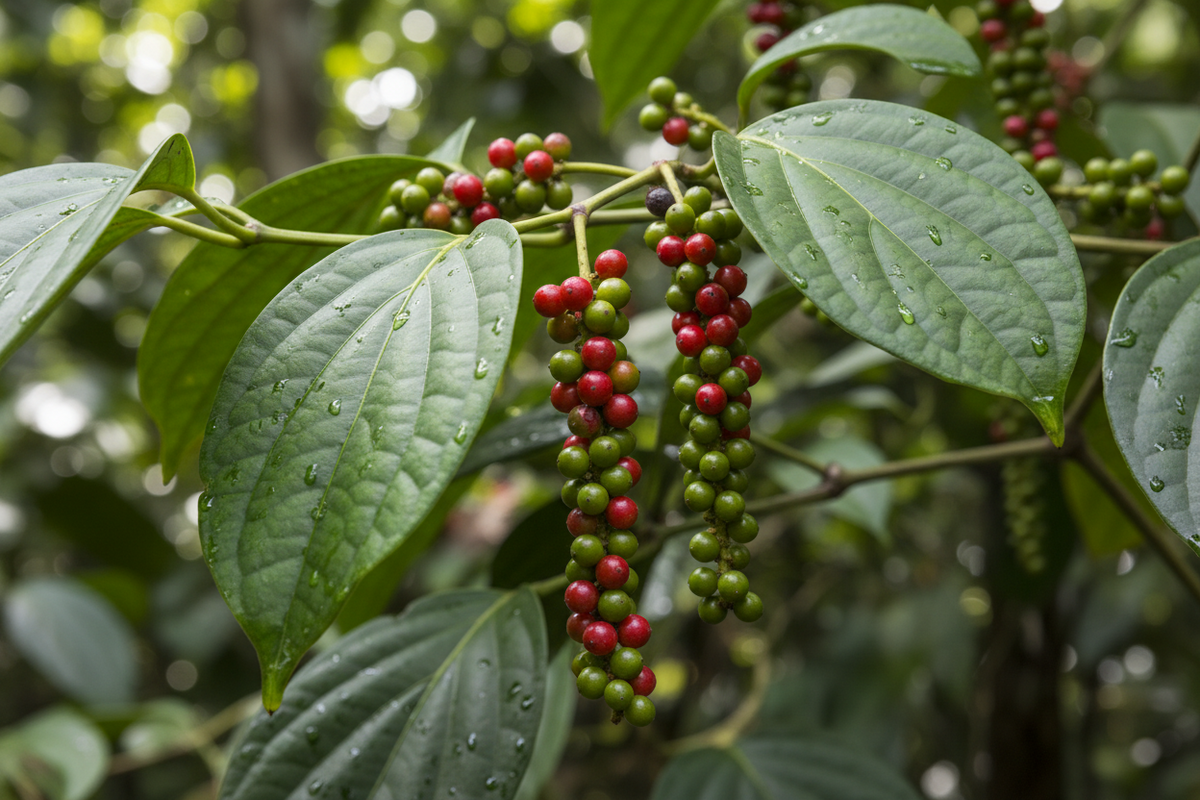
BioPerine®: Benefits, Dosage, Safety, Research, and Why We Use It
Executive Summary
BioPerine® is a branded black pepper fruit extract standardized for piperine, the naturally occurring alkaloid that gives black pepper much of its pungency. It is not used because black pepper itself is a “superfood.” It is used because piperine can meaningfully influence how certain nutrients and plant compounds are absorbed, metabolized, and circulated in the body.
The strongest evidence for BioPerine® is as a bioavailability enhancer. Bioavailability means the fraction of an ingredient that actually becomes available for the body to use after it is swallowed. This matters because some ingredients look impressive on a label but are naturally difficult to absorb. BioPerine® has been studied with compounds such as curcumin, beta-carotene, coenzyme Q10, selenium, vitamin B6, and other nutrients. One of the best-known human studies found that piperine significantly increased curcumin bioavailability when the two were taken together, which helped make BioPerine® one of the most recognized absorption-support ingredients in modern supplement formulation. Shoba and colleagues, Planta Medica, 1998.
BioPerine® is best understood as a formulation-support ingredient, not as a standalone miracle compound. Its purpose is to help the body access more of selected nutrients and botanical compounds. That is a meaningful role, but it also requires nuance. The same mechanisms that may improve absorption of nutrients can also affect the way some medications are absorbed or metabolized.
Take Control Science uses BioPerine® in Core Control because Core Control is a multi-ingredient metabolic support formula. In that setting, BioPerine® fits a practical formulation goal: helping the body better utilize selected ingredients rather than simply increasing label doses. Take Control Science’s existing BioPerine® education page notes that Core Control includes 10 mg of BioPerine® per serving. How BioPerine® Enhances the Power of Every Capsule.
From a safety perspective, BioPerine® is generally well tolerated at common supplemental doses, but it deserves more respect than ordinary culinary pepper. Piperine can interact with drug-metabolizing enzymes and transporters, including CYP3A4 and P-glycoprotein, which are involved in the handling of many medications. People who take prescription medications, especially narrow-therapeutic-index drugs, should speak with a healthcare professional before using piperine-containing supplements. Bhardwaj and colleagues, Journal of Pharmacology and Experimental Therapeutics, 2002.
The bottom line: BioPerine® is a useful, science-informed absorption-support ingredient when used thoughtfully. Its best-supported role is not to directly treat disease or replace healthy habits. Its role is to help well-designed formulas work more efficiently by improving the bioavailability of selected nutrients and plant compounds.
Contents
- What Is BioPerine®?
- Ingredient Overview
- How BioPerine® Works in the Body
- Key Health Benefits
- Evidence Snapshot
- Who May Benefit Most?
- Why Take Control Science Uses This Ingredient
- Why Dosage Matters
- Clinical Research
- Scientific Consensus
- Bioavailability and Absorption
- Safety Profile, Side Effects, and Contraindications
- Myth vs Fact
- Recent Scientific Developments
- Frequently Asked Questions
- Take Control Science Perspective
- Key Takeaways
- References
What Is BioPerine®?
BioPerine® is a patented, branded black pepper fruit extract made from the dried fruits of Piper nigrum, commonly known as black pepper. The ingredient is standardized to contain a high concentration of piperine, typically at least 95%. Sabinsa describes BioPerine® as a standardized black pepper extract prepared from dried Piper nigrum fruit.
Piperine is the main pungent alkaloid in black pepper. In plain English, it is one of the compounds responsible for the sharp, warming sensation you notice when you eat black pepper. But in supplement science, piperine is mostly discussed for a different reason: it can influence absorption and metabolism of certain compounds.
BioPerine® vs Ordinary Black Pepper
BioPerine® is not the same thing as sprinkling black pepper on food. Ordinary black pepper contains piperine, but the piperine content varies. BioPerine® is standardized, meaning the manufacturer controls the extract so that each batch contains a consistent level of piperine. Sabinsa states that BioPerine® contains 95% to 99% pure piperine, while black pepper naturally contains far lower and more variable piperine concentrations. Sabinsa BioPerine® product information.
This distinction matters. Culinary pepper is a food seasoning. BioPerine® is a concentrated supplement ingredient. They come from the same plant, but they are not used in the same way, and they should not be evaluated as if they were identical.
Discovery and History
Black pepper has been used in food and traditional medicine systems for centuries. The modern supplement interest in BioPerine® grew from research into “bioenhancers,” compounds that may increase the bioavailability of other nutrients, botanicals, or drugs. In the 1980s and 1990s, researchers began studying piperine’s ability to influence drug metabolism, intestinal permeability, and nutrient absorption.
The landmark modern moment for BioPerine® came from human pharmacokinetic studies showing that piperine could raise blood levels of certain compounds. The curcumin study by Shoba and colleagues is especially well known because curcumin has poor natural bioavailability, and the addition of piperine produced a dramatic increase in measured exposure. Shoba and colleagues, 1998.
Natural Sources
Piperine is found primarily in black pepper and long pepper. Black pepper comes from the dried fruit of Piper nigrum. White pepper also comes from the same plant but is processed differently, with the outer fruit layer removed. The body does not produce piperine. It is obtained from foods, spices, or supplements.
Biological Role
Piperine is not an essential nutrient. That means the body does not require it in the way it requires vitamin B12, magnesium, or essential amino acids. There is no known deficiency disease caused by low piperine intake.
Its role in supplements is functional rather than nutritional. It is included to influence absorption, metabolism, and ingredient utilization. In a formula, BioPerine® acts more like a delivery-support ingredient than a primary nutrient.
Manufacturing Overview
BioPerine® is produced by extracting piperine-rich material from dried black pepper fruit and standardizing the extract to a defined piperine concentration. Standardization is important because it helps create batch-to-batch consistency. In a premium supplement, consistency matters because the dose on the label should represent a predictable ingredient, not a rough estimate.
Supplement Forms
BioPerine® is most commonly found in capsules, tablets, and powders as part of multi-ingredient formulas. It is often paired with ingredients that have limited natural absorption, such as curcumin, coenzyme Q10, certain botanical extracts, fat-soluble compounds, and selected micronutrients.
It can also appear in standalone black pepper extract products, but standalone use is less common and usually less useful. BioPerine® makes the most scientific sense when paired with ingredients that have a plausible absorption challenge.
Comparison to Other Absorption Technologies
BioPerine® is one absorption-support strategy. Other strategies include liposomal delivery, phytosome complexes, emulsions, micronization, cyclodextrin complexes, and fat-based delivery systems. These methods work differently.
For example, liposomal or phytosome systems try to change the delivery vehicle around the compound. BioPerine® works more by influencing the body’s absorption and metabolism environment. Neither approach is universally superior. The best strategy depends on the ingredient being delivered, the dose, the safety profile, and the intended use.
Practical takeaway: BioPerine® is a concentrated, standardized black pepper extract used primarily to support the bioavailability of selected nutrients and plant compounds, not as a direct replacement for diet, exercise, or medical care.
Ingredient Overview
BioPerine® belongs to a category of ingredients that are easy to misunderstand. Consumers often ask, “What does it do for me?” The most accurate answer is: it may help the body absorb and use more of certain other ingredients. That is valuable, but it is different from saying BioPerine® itself is the main active compound in a formula.
Normal Physiology
When you swallow a supplement, the ingredient must survive digestion, dissolve, cross the intestinal wall, avoid being pumped back into the gut, pass through early metabolism, circulate in the blood, and reach tissues in a useful form. Any weak point in that chain can reduce bioavailability.
Think of bioavailability like airport security for nutrients. An ingredient may be in the bottle, but it still has to get through several checkpoints before the body can actually use it. Some ingredients move through easily. Others get delayed, broken down, or turned away.
BioPerine® appears to influence some of these checkpoints. Research suggests piperine may affect intestinal permeability, metabolic enzymes, glucuronidation, and transporters such as P-glycoprotein. These are technical terms, but the practical meaning is simple: piperine can change how much of some compounds gets into circulation and how quickly the body breaks them down.
Dietary Intake
Most people consume small amounts of piperine when they use black pepper in food. That dietary exposure is usually modest. Supplement doses are more concentrated and more intentional. A few milligrams of a standardized black pepper extract can represent a higher and more predictable piperine exposure than a typical sprinkle of pepper on a meal.
Why People Supplement
People rarely supplement with BioPerine® because they are trying to “get more black pepper.” They supplement with it because it is included in formulas designed to improve nutrient delivery. This is especially common in products containing botanical extracts, antioxidants, fat-soluble compounds, and ingredients with known absorption limitations.
Current Scientific Consensus
The scientific consensus is strongest around piperine as a bioavailability enhancer for selected compounds, especially curcumin. Evidence is also supportive for effects on beta-carotene and coenzyme Q10 blood levels. Evidence for many other nutrients exists but is more limited, sometimes coming from small trials, manufacturer-sponsored research, or preclinical work.
The consensus is weaker for broad claims that BioPerine® directly improves metabolism, inflammation, cognition, weight loss, or blood sugar on its own. Some piperine research is promising, but much of the direct-health-outcome literature is preclinical or based on combination formulas. That distinction matters.
Practical Overview
The practical value of BioPerine® depends on the formula. In a poorly designed supplement, adding BioPerine® does not magically fix weak dosing or low-quality ingredients. In a thoughtful formula, BioPerine® can be a useful absorption-support tool.
This is why Take Control Science treats BioPerine® as a formulation enhancer, not a headline ingredient. In Core Control, its role is to support the overall formula strategy, especially because Core Control combines botanical compounds, minerals, B vitamins, and metabolic support ingredients.
Practical takeaway: BioPerine® matters most when it is part of a formula that actually needs absorption support and is built around ingredients with credible biological purpose.
How BioPerine® Works in the Body
BioPerine® works through several overlapping mechanisms. Not every mechanism applies equally to every nutrient or compound. That is why it is more accurate to say BioPerine® may enhance the bioavailability of selected compounds rather than claiming it improves absorption of everything.
Influences Drug-Metabolizing Enzymes
Many compounds are metabolized by enzymes in the intestine and liver before they can circulate at meaningful levels. One major enzyme family is cytochrome P450, often abbreviated CYP. These enzymes help the body chemically modify compounds so they can be processed and eliminated.
Piperine has been shown to inhibit some drug-metabolizing activity in experimental models. A classic study by Atal and colleagues described piperine as a nonspecific inhibitor of drug metabolism. Atal and colleagues, Journal of Pharmacology and Experimental Therapeutics, 1985. Later research showed piperine can inhibit human CYP3A4, one of the most important enzymes involved in drug metabolism. Bhardwaj and colleagues, 2002.
For nutrients and botanicals, slowing metabolism can sometimes increase circulating levels. For medications, the same mechanism can be a safety concern because it may increase drug exposure. This is why the mechanism is both useful and important to respect.
Modulates P-Glycoprotein
P-glycoprotein is a transporter protein that helps move certain substances out of cells. In the intestine, it can pump some compounds back into the gut lumen, reducing net absorption. You can think of it as a cellular bouncer that sometimes escorts compounds back out before they get very far.
Piperine has been shown to inhibit P-glycoprotein in experimental research. Bhardwaj and colleagues reported inhibition of both P-glycoprotein and CYP3A4. This may help explain why piperine can increase exposure to some compounds, but it also explains why drug interactions are biologically plausible.
May Affect Intestinal Permeability
For an ingredient to enter circulation, it often must cross the intestinal lining. Some compounds cross readily. Others have low permeability. Research suggests piperine may alter membrane dynamics and intestinal permeability in ways that can increase absorption of certain substances.
Studies by Johri and Khajuria explored piperine’s effect on intestinal epithelial cells and brush border membrane characteristics. These studies were mechanistic, not large clinical outcome trials, but they help explain why piperine may act as a bioenhancer. Johri and colleagues, 1992 and Khajuria and colleagues, 2002.
May Slow Glucuronidation
Glucuronidation is a process the body uses to make compounds more water-soluble so they can be eliminated. It is part of normal detoxification and metabolism. Curcumin, for example, is rapidly metabolized through pathways that include conjugation reactions such as glucuronidation.
By slowing certain metabolism pathways, piperine may allow more of some compounds to remain available for longer. This is one reason piperine has been studied with curcumin, which otherwise has very low oral bioavailability.
May Support Thermogenic and Digestive Effects
Some early BioPerine® research described piperine as a “thermonutrient,” suggesting it may influence thermogenesis, digestive blood flow, or nutrient uptake. This mechanism is less precise than CYP or P-glycoprotein inhibition, and it should not be overstated. The practical point is that piperine may change the digestive and metabolic environment in ways that influence nutrient exposure.
May Increase Circulating Levels of Select Nutrients
The most practical mechanism is the end result: increased blood levels of selected nutrients or compounds. Human studies have shown increased exposure to curcumin, beta-carotene, and coenzyme Q10 when taken with piperine. The effect size varies by compound, dose, study design, and population.
Practical takeaway: BioPerine® works by influencing absorption and metabolism pathways, which is useful for selected nutrients but also explains why medication interaction cautions are necessary.
Key Health Benefits
BioPerine® is unusual because its main benefit is not a direct physiological endpoint like “supports muscle protein synthesis” or “supports normal red blood cell formation.” Its best-supported benefit is improving the bioavailability of other compounds. That can still matter for health, but the claim should be framed correctly.
Supports Bioavailability of Selected Nutrients and Plant Compounds
Evidence Strength: Moderate Evidence
The evidence is strongest for pharmacokinetic outcomes, meaning measured changes in blood levels or exposure after ingestion. Human studies support piperine’s ability to increase exposure to selected compounds, especially curcumin, beta-carotene, and coenzyme Q10. The evidence is moderate because the effect is biologically plausible and repeatedly observed for certain compounds, but not every nutrient has equally strong human evidence.
Biologically, this makes sense. Piperine can influence intestinal transport, metabolism, and possibly permeability. These mechanisms can increase the amount of certain compounds that reach circulation.
The limitation is that improved blood levels do not always automatically translate into improved clinical outcomes. A supplement can raise exposure to a compound without proving that it improves a meaningful health endpoint. Bioavailability is important, but it is not the same thing as a guaranteed health benefit.
Practical interpretation: BioPerine® is most useful when paired with ingredients that have credible evidence and known absorption limitations.
Enhances Curcumin Bioavailability
Evidence Strength: Strong Evidence for bioavailability, not disease treatment
The best-known BioPerine® related study examined curcumin with piperine. Curcumin is the main studied curcuminoid in turmeric, but it is poorly absorbed when taken alone. Shoba and colleagues studied curcumin with piperine in animals and human volunteers and reported a large increase in curcumin bioavailability in humans when piperine was included. Shoba and colleagues, 1998.
This is strong evidence for a pharmacokinetic effect. It is not proof that piperine plus curcumin treats any disease. It means the body is exposed to more curcumin when piperine is co-administered under the conditions studied.
The limitation is safety context. Increasing curcumin exposure may be useful in some settings, but higher-bioavailability curcumin products have also been discussed in liver injury reports. The NIH LiverTox monograph notes that high-bioavailability curcumin forms using piperine or lipid delivery have been linked to some liver injury cases. NIH LiverTox turmeric monograph.
Practical interpretation: BioPerine® can substantially increase curcumin exposure, but higher absorption should be treated as a real biological effect, not a harmless marketing phrase.
Supports Coenzyme Q10 Exposure
Evidence Strength: Moderate Evidence
Coenzyme Q10, or CoQ10, is a fat-soluble compound involved in mitochondrial energy biology. A double-blind study evaluated CoQ10 with and without piperine and found that 120 mg of CoQ10 with 5 mg of piperine for 21 days produced about a 30% greater area under the plasma curve compared with CoQ10 plus placebo. Badmaev, Majeed, and Prakash, Journal of Nutritional Biochemistry, 2000.
This supports BioPerine® as a useful absorption-support ingredient for certain fat-soluble or lipid-associated compounds. The limitation is that the study focused on blood levels, not long-term health outcomes. Also, the population was healthy adult male volunteers, so the results should not be generalized too broadly.
Practical interpretation: BioPerine® may help improve CoQ10 exposure, but product quality, CoQ10 form, meal composition, and dose still matter.
Supports Beta-Carotene Serum Response
Evidence Strength: Moderate Evidence
Beta-carotene is a carotenoid found in colorful plant foods. In a double-blind crossover human study, subjects took beta-carotene with either piperine or placebo. The piperine group had a significantly greater serum beta-carotene response, with a 60% greater increase in area under the curve over 14 days. Badmaev, Majeed, and Norkus, Nutrition Research, 1999.
This is meaningful because carotenoids can have variable absorption depending on food matrix, fat intake, digestion, and individual biology. The limitation is that beta-carotene supplementation is not appropriate for everyone, especially in high doses, and improved beta-carotene levels do not mean all carotenoid-related health claims are proven.
Practical interpretation: BioPerine® can improve serum response to beta-carotene under studied conditions, but carotenoid nutrition should still be grounded in diet quality and individualized safety.
May Support Utilization of Multi-Ingredient Formulas
Evidence Strength: Preliminary to Moderate Evidence
BioPerine® is often used in multi-ingredient formulas because many botanical compounds and micronutrients have absorption challenges. Its inclusion can be rational when a formula contains ingredients with low solubility, rapid metabolism, or transporter-related limitations.
This is one reason BioPerine® fits the formulation logic of Core Control. Core Control combines metabolic support ingredients, including berberine HCl, chromium GTF, alpha-lipoic acid, B vitamins, magnesium, and botanical extracts. BioPerine® supports the broader nutrient delivery strategy of the formula.
The limitation is important: there does not appear to be equally strong human evidence showing BioPerine® increases the absorption of every specific ingredient in Core Control. For example, berberine has known low oral bioavailability, but direct human evidence that piperine specifically improves berberine exposure is not as established as the evidence for curcumin, beta-carotene, and CoQ10. A 2021 review discusses berberine’s pharmacokinetic limitations.
Practical interpretation: BioPerine® is a thoughtful inclusion in complex formulas, but the evidence should be ingredient-specific whenever possible.
May Support Antioxidant and Inflammatory Balance Indirectly
Evidence Strength: Limited Evidence for BioPerine® alone, Moderate Evidence for some curcumin-piperine combinations
Some research on curcumin-piperine combinations reports favorable effects on inflammatory, oxidative stress, and cardiometabolic markers. A 2026 systematic review of randomized trials concluded that curcumin-piperine supplementation showed promising effects across inflammatory, oxidative, metabolic, and cardiometabolic domains, while also emphasizing the need for larger and longer trials. Pan and colleagues, Frontiers in Nutrition, 2026.
However, this does not prove BioPerine® alone produces those effects. In combination studies, curcumin is usually the main active compound, while piperine acts partly as an absorption enhancer. It would be misleading to attribute all benefits of a curcumin-piperine formula to BioPerine®.
Practical interpretation: BioPerine® may help increase exposure to compounds that support antioxidant and inflammatory balance, but direct claims about BioPerine® alone should remain conservative.
Practical takeaway: BioPerine® is best supported as a bioavailability enhancer, especially for selected compounds, rather than as a standalone health solution.
Evidence Snapshot
Curcumin Bioavailability — Strong Evidence
Human pharmacokinetic evidence shows that piperine can substantially increase curcumin exposure when taken together under studied conditions. This is one of the most important reasons BioPerine® became widely used in supplement formulation. The evidence is strongest for absorption and blood-level outcomes, not for disease treatment claims.
Coenzyme Q10 Exposure — Moderate Evidence
A double-blind human study found that adding 5 mg of piperine to CoQ10 increased CoQ10 plasma exposure after repeated supplementation. This supports a role for piperine in improving exposure to selected compounds, although the study size and scope were limited.
Beta-Carotene Serum Response — Moderate Evidence
A double-blind crossover study found that beta-carotene plus piperine produced a greater serum beta-carotene response than beta-carotene plus placebo. This supports piperine’s bioenhancing role for some carotenoids, while still requiring caution around high-dose beta-carotene supplementation in certain populations.
Vitamin B6 and Selenium Bioavailability — Preliminary Evidence
Manufacturer-summarized studies report increases in serum vitamin B6 and selenium levels when BioPerine® is co-administered. These findings are interesting, but the evidence base is less robust than the curcumin literature and should be interpreted as supportive rather than definitive. BioPerine® bioavailability study summaries.
Direct Metabolic Health Benefits — Limited Evidence
Piperine has been studied in preclinical models and combination formulas related to metabolic health, inflammation, and oxidative stress. However, direct evidence that BioPerine® alone improves metabolic health outcomes in humans is limited. Claims should focus on absorption support unless a specific human outcome study justifies more.
Medication Interaction Potential — Strong Mechanistic Evidence
Piperine can influence CYP enzymes and P-glycoprotein, and human pharmacokinetic studies have shown altered exposure for drugs such as propranolol, theophylline, phenytoin, fexofenadine, carbamazepine, and chlorzoxazone under certain conditions. This does not mean every person will have a clinically significant interaction, but it does justify caution.
Overall Evidence Rating — Moderate Evidence for absorption support, limited evidence for standalone health outcomes
The strongest case for BioPerine® is its ability to improve exposure to selected nutrients and botanicals. The weaker case is using BioPerine® as the main ingredient responsible for broad health claims.
Practical takeaway: BioPerine® has credible evidence for bioavailability support, but the strength of evidence depends heavily on the specific compound it is paired with.
Who May Benefit Most?
BioPerine® is not something everyone needs as a standalone supplement. It is most relevant for people using formulas that contain ingredients with known or suspected absorption challenges.
People Using Multi-Ingredient Botanical Formulas
Many botanical compounds have poor solubility, rapid metabolism, or limited absorption. BioPerine® can make sense in formulas that include plant extracts, polyphenols, and other compounds where bioavailability is a known challenge.
The key is formulation quality. BioPerine® should support a thoughtful formula. It should not be used as a marketing patch for weak ingredient choices.
People Using Core Control
People who use Core Control are already getting BioPerine® as part of a broader metabolic support formula. In that setting, BioPerine® is not the star of the formula. It is a supporting ingredient designed to help the formula work more efficiently.
Core Control is positioned around healthy blood sugar response, cravings, energy consistency, and metabolic wellness. BioPerine® supports this by contributing to the formula’s nutrient delivery strategy.
People Taking Curcumin-Containing Supplements
Curcumin has poor natural bioavailability, which is why many curcumin formulas use absorption technologies. BioPerine® is one of the best-known approaches. People using curcumin-containing supplements may benefit from improved curcumin exposure when piperine is included, but they should also be aware that higher bioavailability can increase biological activity and interaction potential.
People Taking CoQ10 or Fat-Soluble Nutrient Formulas
CoQ10 and some fat-soluble compounds may have variable absorption. BioPerine® has human evidence supporting improved CoQ10 plasma exposure when co-administered. It may be useful in selected formulas, especially when paired with appropriate meal timing and fat-containing foods.
People Who Want Smarter Dosing, Not Megadosing
Some supplement brands try to make formulas look impressive by increasing label doses. That is not always better. If an ingredient is poorly absorbed, simply adding more may increase cost, side effects, or waste. A more thoughtful approach is to combine purposeful dosing with absorption support when the science makes sense.
People Who Should Be More Cautious
People taking prescription medications should be cautious with BioPerine®, especially if they take medications with narrow therapeutic windows or medications affected by CYP3A4, P-glycoprotein, or related pathways. Pregnant or breastfeeding individuals, children, and people with significant liver or kidney disease should use piperine-containing supplements only with professional guidance.
Practical takeaway: BioPerine® is most useful for adults using well-designed formulas with absorption-limited ingredients, but medication users should treat it as biologically active and ask for guidance.
Why Take Control Science Uses This Ingredient
Take Control Science uses BioPerine® because formulation is not just about what is on the label. It is about what the body can realistically absorb, circulate, and use.
That philosophy matters. A supplement can include a long list of ingredients and still be poorly designed. The question is not, “How many ingredients can fit into a capsule?” The question is, “Does each ingredient have a reason to be there?” This is part of the broader Take Control Science quality philosophy described on our Quality Standards page.
It Supports the Formula Instead of Stealing the Spotlight
BioPerine® is not included in Core Control to make a flashy claim. It is included to support the formula’s absorption strategy. That is an important distinction.
In Core Control, the main formulation goal is daily metabolic support. BioPerine® plays a supporting role alongside ingredients such as berberine HCl, alpha-lipoic acid, chromium GTF, magnesium, B vitamins, and plant extracts. Its purpose is to help the body better access selected compounds in the formula.
It Complements Botanical and Nutrient-Based Ingredients
BioPerine® fits especially well in formulas that combine botanicals and micronutrients. Many plant compounds are limited by solubility, metabolism, or transport. Some vitamins and antioxidants also have variable absorption. BioPerine® helps address this formulation challenge in a compact dose.
Take Control Science has also developed educational resources on related ingredients, including berberine, alpha-lipoic acid, chromium GTF, vitamin B6, and magnesium citrate.
It Fits Our View That More Is Not Always Better
We do not believe that every supplement should chase the biggest possible dose. Sometimes the smarter move is to improve the formula environment. BioPerine® helps support that philosophy because it can improve exposure to selected compounds without relying only on higher doses.
This does not mean BioPerine® replaces proper dosing. It does not. It means dosage and absorption should be considered together.
How Our Dose Compares
Take Control Science’s BioPerine® education page states that Core Control includes 10 mg of BioPerine® per serving. That sits within the common supplemental range used in many advanced formulations. It is higher than the 5 mg dose used in some CoQ10 and beta-carotene studies, and lower than the 20 mg dose used in the classic curcumin bioavailability study.
The goal is not to overpower the formula. The goal is to support it.
Why We Chose BioPerine® Instead of Generic Black Pepper Extract
BioPerine® is a standardized branded ingredient with a substantial research and formulation history. Generic black pepper extracts may vary in piperine content, documentation, and quality controls. When an ingredient is used for a precise purpose, consistency matters.
Practical takeaway: Take Control Science uses BioPerine® because it supports a smarter formulation strategy: purposeful dosing, better utilization, and honest education instead of label-padding.
Why Dosage Matters
BioPerine® dosage matters because piperine is active at small amounts. More is not automatically better. The right dose depends on the formula, the other ingredients, the intended use, and the safety context.
Clinically Studied Dose Ranges
Human studies have used different piperine doses depending on the compound being studied. The curcumin bioavailability study used 20 mg of piperine with 2,000 mg of curcumin. The CoQ10 study used 5 mg of piperine with CoQ10. The beta-carotene study used 5 mg of piperine with 15 mg of beta-carotene.
These examples show that effective piperine doses are often measured in milligrams, not hundreds of milligrams. That is important because piperine is not a bulk nutrient like protein or magnesium.
Typical Supplement Doses
Many supplement formulas use BioPerine® in the 5 mg to 10 mg range per serving. Some curcumin formulas use higher amounts, often around 20 mg. Standalone piperine products may contain larger doses, but higher-dose standalone use is not necessarily more useful and may increase interaction concerns.
How Our Dose Compares
Core Control includes 10 mg of BioPerine® per serving according to Take Control Science’s BioPerine® education page. This is a practical daily-use dose for a multi-ingredient formula. It is designed to support nutrient utilization without treating BioPerine® as the primary metabolic ingredient.
Timing
BioPerine® is typically taken with the formula it is meant to support. For Core Control, that means following the product label and taking it with the recommended meal or timing instructions. Taking BioPerine® separately from the ingredients it is intended to support makes less practical sense.
Food Interactions
Food can influence absorption of many nutrients and botanicals. Fat-containing meals can improve absorption of fat-soluble compounds such as carotenoids and CoQ10. BioPerine® may help, but it does not erase the importance of food context.
For some compounds, the best approach may be a combination of appropriate dose, meal timing, and absorption support. This is why formulation decisions should be made ingredient by ingredient.
Dose Response
There is no universal dose-response rule that says doubling BioPerine® doubles absorption. The effect depends on the compound, the person, and the pathway involved. Some transporters or enzymes may be affected at low doses, while other effects may plateau.
This is one reason megadosing piperine is not a responsible strategy. The goal is not maximum disruption of metabolism. The goal is targeted support.
Why More Is Not Always Better
Because piperine can influence metabolism and transport, higher doses may increase the chance of side effects or interactions. The same feature that makes BioPerine® useful can create risk in the wrong setting.
For example, a person taking medications affected by CYP3A4 or P-glycoprotein may not want to increase absorption or slow metabolism without medical oversight. More bioavailability is not always desirable.
Practical takeaway: BioPerine® works in small doses, and the goal should be appropriate absorption support, not the highest possible piperine intake.
Clinical Research
The clinical research on BioPerine® and piperine is best understood in two categories. The first category is absorption and pharmacokinetic research. This is where the evidence is strongest. The second category is direct health outcome research. This is much more limited, especially for BioPerine® alone.
Shoba et al., 1998: Piperine and Curcumin Bioavailability
Authors: Shoba G, Joseph T, Majeed M, Rajendran R, Srinivas PS.
Year: 1998.
Study design: Pharmacokinetic study in animals and human volunteers.
Population: Human volunteers and animal models.
Dose: In humans, 2,000 mg curcumin with 20 mg piperine.
Main findings: Piperine significantly increased serum concentration, extent of absorption, and bioavailability of curcumin. The study is widely cited because it reported a dramatic increase in curcumin bioavailability when piperine was co-administered.
Limitations: This was a pharmacokinetic study, not a long-term clinical outcomes trial. It does not prove that curcumin-piperine treats disease. It also does not prove piperine improves absorption of every compound.
Practical interpretation: This is the strongest human evidence supporting BioPerine® as an absorption enhancer for curcumin. PubMed.
Badmaev et al., 1999: Piperine and Beta-Carotene Serum Response
Authors: Badmaev V, Majeed M, Norkus EP.
Year: 1999.
Study design: Double-blind crossover human study.
Population: Healthy adult male volunteers with low fasting beta-carotene levels.
Duration: Two 14-day supplementation periods.
Dose: 15 mg beta-carotene with either 5 mg piperine or placebo.
Main findings: Beta-carotene plus piperine produced a significantly greater serum beta-carotene response than beta-carotene plus placebo. The area under the serum beta-carotene curve increased about 60% more with piperine.
Limitations: The study measured serum beta-carotene response, not long-term health outcomes. It involved a specific population and supplement protocol.
Practical interpretation: Piperine can improve serum response to some fat-soluble compounds, but this does not justify broad claims for all carotenoids or all people. ScienceDirect.
Badmaev et al., 2000: Piperine and CoQ10 Plasma Levels
Authors: Badmaev V, Majeed M, Prakash L.
Year: 2000.
Study design: Double-blind clinical study evaluating relative bioavailability.
Population: Healthy adult male volunteers with defined baseline fasting CoQ10 values.
Duration: Single-dose, 14-day, and 21-day experiments.
Dose: 90 mg or 120 mg CoQ10 with placebo or 5 mg piperine.
Main findings: The 21-day 120 mg CoQ10 plus piperine condition produced an approximately 30% greater area under the plasma curve compared with CoQ10 plus placebo.
Limitations: The effect was significant in the 21-day 120 mg condition, while some shorter conditions showed smaller, non-significant increases. The study focused on blood levels.
Practical interpretation: BioPerine® may support CoQ10 exposure, but the size of the effect depends on study conditions. PubMed.
Bano et al., 1991: Piperine with Propranolol and Theophylline
Authors: Bano G and colleagues.
Year: 1991.
Study design: Crossover pharmacokinetic study.
Population: Healthy volunteers.
Dose: Piperine 20 mg daily for 7 days with single doses of propranolol or theophylline.
Main findings: Piperine altered pharmacokinetic parameters for propranolol and theophylline, including higher peak concentration or area under the curve under studied conditions.
Limitations: Small sample size. The study involved medications, not nutrients. It is most relevant for interaction caution.
Practical interpretation: Piperine can affect drug exposure in humans, which is why medication users should be cautious. PubMed.
Bhardwaj et al., 2002: Piperine, P-Glycoprotein, and CYP3A4
Authors: Bhardwaj RK and colleagues.
Year: 2002.
Study design: Mechanistic laboratory study using human-relevant systems.
Main findings: Piperine inhibited both P-glycoprotein and CYP3A4. These pathways are important because they influence absorption, metabolism, and clearance of many compounds.
Limitations: Mechanistic research does not predict every real-world interaction. Dose, timing, individual genetics, and medication context all matter.
Practical interpretation: This study helps explain both BioPerine®’s absorption-support potential and its interaction potential. PubMed.
Ziegenhagen et al., 2021: Safety Review of Isolated Piperine
Authors: Ziegenhagen R, Heimberg K, Volz P, Hirsch-Ernst KI.
Year: 2021.
Study design: Safety-focused review.
Main findings: The review evaluated possible safety concerns related to isolated piperine as a food supplement ingredient. It emphasized the importance of considering bolus piperine intake, toxicological data, and potential interactions with other substances.
Limitations: Safety conclusions depend on available toxicology and human data, which are not as extensive as for essential nutrients.
Practical interpretation: Piperine is not automatically unsafe, but concentrated isolated piperine should be treated with more caution than culinary black pepper. Full text.
Pan et al., 2026: Curcumin-Piperine Systematic Review
Authors: Pan C and colleagues.
Year: 2026.
Study design: Systematic review of randomized controlled trials.
Population: Multiple clinical populations across curcumin-piperine trials.
Main findings: The review reported promising effects of curcumin-piperine supplementation on inflammatory, oxidative, metabolic, and cardiometabolic domains, while emphasizing that larger, longer, standardized trials are needed.
Limitations: The findings apply to curcumin-piperine combinations, not BioPerine® alone. Many trials were short term and varied in population and protocol.
Practical interpretation: Piperine may help curcumin-based formulas perform better, but the health effects should not be attributed to BioPerine® alone. Full text.
Practical takeaway: The most influential BioPerine® research supports absorption enhancement, while direct health-outcome claims require more careful interpretation.
Scientific Consensus
Scientists generally agree that piperine can influence bioavailability. The main debate is not whether piperine can alter absorption and metabolism. The debate is how broadly that effect should be applied, how clinically meaningful it is for each ingredient, and how to balance benefit with interaction risk.
What Scientists Generally Agree On
Piperine can affect drug-metabolizing enzymes, transporters, and intestinal absorption pathways. It has credible evidence as a bioenhancer for selected compounds. Curcumin is the clearest example, with supportive human pharmacokinetic evidence.
There is also reasonable evidence for effects on beta-carotene and CoQ10 exposure. These findings support the broader concept that piperine can enhance bioavailability of certain compounds, especially when absorption or metabolism is a limiting factor.
What Remains Controversial
The biggest controversy is marketing overreach. Some supplement discussions imply BioPerine® improves absorption of everything. That is not scientifically precise. Bioavailability depends on the compound. A mechanism that matters for curcumin may not matter the same way for magnesium, chromium, berberine, or every botanical extract.
Another controversy is clinical relevance. If BioPerine® increases blood levels of a compound, does that produce better outcomes? Sometimes it might. Sometimes it might not. That question requires outcome studies, not just absorption data.
Where More Research Is Needed
More research is needed on ingredient-specific absorption effects, long-term safety, medication interactions, and finished-formula outcomes. It would be especially useful to see independent studies evaluating BioPerine® in modern multi-ingredient formulas, not just single-compound pharmacokinetic studies.
Common Misconceptions
A common misconception is that “more absorption” is always better. It is not. If the compound is beneficial and safe at higher exposure, improved absorption may be helpful. If the compound is a medication, a high-dose botanical, or something with a narrow safety margin, increased exposure may create risk.
Another misconception is that BioPerine® is just black pepper. It is derived from black pepper, but it is concentrated and standardized. That makes it more predictable, but also more biologically active than casual culinary use.
Marketing Exaggerations
Supplement companies sometimes use BioPerine® as a credibility shortcut. They add it to a formula and imply that everything in the product is now highly absorbed and clinically validated. That is not how science works. BioPerine® can support absorption, but it does not transform weak ingredients into strong ones.
Practical takeaway: The scientific consensus supports BioPerine® as an absorption enhancer for selected compounds, while rejecting broad, unsupported claims that it improves every outcome or every ingredient.
Bioavailability and Absorption
Bioavailability is the central reason BioPerine® exists in supplement formulation. To understand BioPerine®, you have to understand why absorption is often the limiting step.
Absorption
After oral intake, a compound must dissolve in digestive fluids and cross the intestinal lining. Some compounds are water soluble. Some are fat soluble. Some are too large, too polar, too unstable, or too rapidly metabolized to enter circulation efficiently.
Piperine may help selected compounds by affecting transporters, permeability, and metabolism. This is why it is most useful when paired with compounds that have known bioavailability limitations.
Transport
Transporters such as P-glycoprotein can limit absorption by pumping compounds back into the intestinal lumen. Piperine’s ability to inhibit P-glycoprotein may increase exposure to some compounds. This mechanism is scientifically interesting but also clinically important because many drugs interact with transporter systems.
Metabolism
The intestine and liver metabolize many substances before they circulate widely. This first-pass metabolism can reduce exposure. Piperine can inhibit certain metabolic pathways, including CYP3A4 in experimental systems. This may increase exposure to selected nutrients, botanicals, and drugs.
Food Interactions
Food changes absorption. A fat-containing meal can increase absorption of fat-soluble compounds. Fiber, minerals, gastric pH, digestive speed, and meal composition can all influence the final result. BioPerine® is not a substitute for proper meal context.
For formulas containing fat-soluble compounds, taking them with food may still matter. For formulas designed for a specific meal timing, the label directions should be followed.
Timing
BioPerine® should generally be taken at the same time as the ingredients it is intended to support. If the goal is to enhance curcumin, CoQ10, beta-carotene, or a multi-ingredient formula, separating BioPerine® from those ingredients may reduce the rationale for using it.
Stability
BioPerine® is used in solid-dose supplements because it is concentrated and compatible with capsule and tablet formats. Sabinsa lists a five-year shelf life for BioPerine® when stored in closed containers at room temperature. Sabinsa BioPerine® usage information.
Different Forms
BioPerine® is the branded standardized form. Generic black pepper extract may also be standardized to piperine, but quality, documentation, and purity can vary. Whole black pepper powder is not equivalent because the piperine concentration is lower and less consistent.
Practical Recommendations
Use BioPerine® as part of a complete formula when there is a reason for absorption support. Avoid stacking multiple high-piperine products unless a clinician has reviewed the total intake and medication context. Always pay attention to the full supplement routine, not just one label.
Practical takeaway: BioPerine® improves the formula environment for selected compounds, but absorption still depends on the ingredient, dose, meal, timing, and individual biology.
Safety Profile, Side Effects, and Contraindications
BioPerine® is generally well tolerated at common supplemental doses, but it is not biologically inert. The safety discussion should be honest: piperine’s absorption-support activity is also the reason it can interact with medications and other supplements.
General Safety
Black pepper is widely consumed as a food spice and is listed by FDA as a substance used as a flavoring agent or adjuvant in food, with references to relevant GRAS regulations for black pepper. FDA Substances Added to Food database.
However, culinary black pepper and isolated piperine are not identical safety categories. A concentrated extract delivers a more predictable and higher piperine exposure. Safety should be judged by dose, formulation, use pattern, and the person taking it.
Common Side Effects
Some people may experience digestive warmth, reflux, nausea, stomach discomfort, or a pepper-like burning sensation, especially if taken on an empty stomach or in higher doses. These effects are usually mild but can be bothersome for sensitive individuals.
Medication Interactions
This is the most important safety issue. Piperine can affect CYP enzymes and P-glycoprotein, both of which help process many medications. Human studies have shown altered pharmacokinetics for medications such as propranolol, theophylline, phenytoin, fexofenadine, carbamazepine, and chlorzoxazone under certain conditions. Bano and colleagues, 1991, Bano and colleagues, 1987, Bedada and Boga, 2017, and Bedada and colleagues, 2017.
People taking prescription medications should ask a healthcare professional before using piperine-containing supplements. This is especially important for seizure medications, anticoagulants, antiarrhythmics, immunosuppressants, certain heart medications, psychiatric medications, and drugs with narrow therapeutic windows.
Pregnancy
Ordinary culinary black pepper is commonly used in food. Concentrated piperine supplementation during pregnancy is a different question. Because robust pregnancy-specific safety data are limited, pregnant individuals should avoid concentrated piperine supplements unless advised by their healthcare professional.
Breastfeeding
There is not enough high-quality evidence to confidently establish concentrated piperine safety during breastfeeding. Culinary food use is different from supplement use. Breastfeeding individuals should consult a clinician before using piperine-containing supplements.
Kidney Disease
There is limited direct evidence evaluating BioPerine® in people with kidney disease. Kidney disease often involves medication complexity, altered clearance, and higher vulnerability to electrolyte or drug-level changes. People with kidney disease should use piperine-containing supplements only with professional guidance.
Liver Disease
The liver is central to drug metabolism. Because piperine can influence metabolic pathways, people with liver disease should be cautious. The NIH LiverTox turmeric monograph also notes that some high-bioavailability curcumin products, including those using piperine, have been linked to liver injury cases. This does not mean BioPerine® alone causes liver injury, but it reinforces the need for caution with high-bioavailability botanical stacks. NIH LiverTox.
Older Adults
Older adults are more likely to take multiple medications. That makes interaction review more important. BioPerine® may be appropriate for some older adults, but it should not be added casually to a complex medication regimen.
Children
BioPerine® is not typically needed as a standalone supplement in children. Children have different dosing considerations, smaller body size, and less safety data for concentrated piperine. Use should be guided by a pediatric clinician.
Allergies
Black pepper allergy is uncommon but possible. People with known allergy or sensitivity to black pepper or related botanicals should avoid BioPerine®. Anyone with a history of severe allergies should review supplement labels carefully.
Toxicity
Toxicity risk depends on dose and context. A safety review of isolated piperine emphasized the importance of evaluating bolus intake and potential interactions, especially when piperine is used as a concentrated supplement ingredient. Ziegenhagen and colleagues, 2021.
Long-Term Safety
Long-term daily use data for isolated piperine are less extensive than for essential nutrients. Common supplemental doses have a history of use, but that does not remove the need for caution in medication users or people with medical conditions.
Practical takeaway: BioPerine® is generally practical at common doses, but anyone taking medications should treat it as an active ingredient and review it with a healthcare professional.
Myth vs Fact
Myth 1: BioPerine® is just black pepper.
Fact: BioPerine® comes from black pepper, but it is a concentrated standardized extract. Ordinary black pepper is a culinary spice with variable piperine content. BioPerine® is designed to deliver a consistent piperine dose in supplement formulas.
Myth 2: BioPerine® makes every ingredient absorb better.
Fact: BioPerine® has evidence for improving bioavailability of selected compounds, not everything. The effect depends on the ingredient’s chemistry, solubility, metabolism, transport, dose, and timing.
Myth 3: More BioPerine® is always better.
Fact: More is not always better. Piperine can affect metabolic enzymes and transporters. Higher doses may increase interaction risk without adding meaningful benefit.
Myth 4: BioPerine® directly treats metabolic disease.
Fact: BioPerine® should not be described as treating disease. Its strongest role is supporting bioavailability. Any metabolic benefit from a formula depends on the total formula, lifestyle context, and the evidence for the main active ingredients.
Myth 5: BioPerine® has no safety concerns because pepper is food.
Fact: Culinary pepper and concentrated piperine are different exposures. BioPerine® can be safe and useful, but medication interactions and high-dose supplement use require caution.
Myth 6: If an ingredient includes BioPerine®, it is automatically clinically proven.
Fact: BioPerine® can improve absorption of some compounds, but that does not prove the finished formula has been clinically tested. Finished-product evidence and ingredient-specific evidence are different things.
Myth 7: BioPerine® replaces healthy eating.
Fact: BioPerine® does not replace food quality, protein intake, fiber, exercise, sleep, or medical care. It is a formulation-support ingredient, not a lifestyle substitute.
Myth 8: BioPerine® is only useful with curcumin.
Fact: Curcumin is the best-known example, but BioPerine® has also been studied with beta-carotene, CoQ10, selenium, vitamin B6, and other compounds. The strength of evidence varies.
Myth 9: BioPerine® should be taken separately.
Fact: BioPerine® usually makes the most sense when taken with the formula or ingredient it is intended to support. Taking it separately removes much of the formulation rationale.
Myth 10: BioPerine® is only a marketing ingredient.
Fact: BioPerine® has real mechanistic and human pharmacokinetic evidence. The problem is not the ingredient. The problem is when companies exaggerate what it proves.
Myth 11: BioPerine® is always safe with medications.
Fact: Piperine can affect drug metabolism and transport. People taking medications should check with a clinician or pharmacist before using piperine-containing supplements.
Myth 12: BioPerine® should be judged by taste or spice intensity.
Fact: In supplements, BioPerine® is not used for flavor. It is used for its piperine content and absorption-support properties.
Practical takeaway: BioPerine® is a real, useful ingredient, but it is often oversimplified by both marketers and consumers.
Recent Scientific Developments
Most meaningful developments around BioPerine® have come from scientific literature rather than mainstream news coverage.
More Attention to Bioavailability-Enhanced Curcumin Safety
One important recent development is increased attention to the safety of high-bioavailability curcumin products. The NIH LiverTox turmeric monograph notes that high-bioavailability forms of curcumin, including products using piperine or lipid nanoparticle delivery, have been linked to cases of liver injury. NIH LiverTox.
This does not mean BioPerine® is unsafe in all settings. It means absorption enhancement is biologically meaningful. If a compound becomes more bioavailable, both its desired and undesired effects may become more relevant.
Curcumin-Piperine Systematic Reviews
Recent systematic reviews have continued to evaluate curcumin-piperine combinations for inflammatory, oxidative stress, lipid, liver, and metabolic outcomes. These reviews are useful but must be interpreted carefully because they evaluate combination products, not BioPerine® alone. A 2026 systematic review in Frontiers in Nutrition concluded that curcumin-piperine combinations show promise while requiring larger and longer trials.
More Sophisticated Interaction Research
Recent research has also become more sophisticated about piperine’s interaction potential. Studies and reviews increasingly examine P-glycoprotein, CYP enzymes, and physiologically based pharmacokinetic modeling to understand when piperine may alter drug exposure.
This is good for consumers because it moves the conversation beyond “natural equals safe” and toward a more honest question: does this ingredient meaningfully change exposure to other compounds?
Bioavailability Technology Is Becoming More Competitive
BioPerine® is no longer the only absorption-support strategy in supplements. Liposomal delivery, phytosomes, micelles, nanoparticles, emulsions, and other delivery technologies are increasingly common. That does not make BioPerine® obsolete. It means formulators should choose the right tool for each ingredient.
Practical takeaway: Recent science reinforces the same message: BioPerine® can meaningfully affect bioavailability, which is useful when intentional and risky when ignored.
Frequently Asked Questions
What is BioPerine®?
BioPerine® is a branded black pepper fruit extract standardized for piperine, the main pungent alkaloid in black pepper. It is used in supplements primarily to support the absorption and bioavailability of selected nutrients and plant compounds. It is not the same as ordinary black pepper powder because it is concentrated and standardized to deliver a consistent piperine content.
What are the main benefits of BioPerine®?
The main benefit of BioPerine® is bioavailability support. It has been studied for increasing exposure to selected compounds such as curcumin, beta-carotene, and coenzyme Q10. Its role is usually to help a formula work more efficiently by improving absorption or slowing metabolism of certain compounds. It should not be viewed as a cure, treatment, or standalone health solution.
Does BioPerine® help with blood sugar?
BioPerine® itself is not a blood sugar treatment. In a formula like Core Control, it supports the broader formulation strategy by helping with nutrient utilization. The blood sugar support rationale of Core Control depends on the full ingredient profile, including metabolic support ingredients such as berberine, chromium, alpha-lipoic acid, magnesium, B vitamins, and botanicals. BioPerine® is a supporting ingredient, not the primary glucose-support compound.
Why is BioPerine® included in Core Control?
Core Control includes BioPerine® because it is a multi-ingredient metabolic support formula. Some nutrients and plant compounds can have limited absorption or rapid metabolism. BioPerine® helps support the formula’s overall bioavailability strategy. Take Control Science uses it to improve ingredient utilization rather than simply increasing label doses.
How much BioPerine® is in Core Control?
Take Control Science’s BioPerine® education page states that Core Control includes 10 mg of BioPerine® per serving. This is within the common supplemental range used in multi-ingredient formulations. As always, consumers should follow the current product label because labels can change as formulas evolve.
Is BioPerine® the same as piperine?
Not exactly. Piperine is the active alkaloid found in black pepper. BioPerine® is a branded black pepper extract standardized to contain a high percentage of piperine. In simple terms, piperine is the compound, while BioPerine® is a standardized ingredient form that delivers piperine consistently.
Is BioPerine® safe?
BioPerine® is generally well tolerated at common supplemental doses, but it can interact with medication metabolism and transport pathways. This is why people taking prescription medications should consult a healthcare professional before using BioPerine®-containing supplements. Safety depends on the dose, the formula, the person, and the medication context.
Can BioPerine® interact with medications?
Yes. Piperine can affect enzymes and transporters involved in medication handling, including CYP3A4 and P-glycoprotein. Human studies have shown piperine can alter pharmacokinetics of certain drugs under specific conditions. People taking medications, especially narrow-therapeutic-index drugs, should review BioPerine® with a clinician or pharmacist.
Should I take BioPerine® on an empty stomach?
BioPerine® is usually taken with the formula it is intended to support. Many people tolerate it better with food, especially if they are sensitive to pepper-like digestive warmth or reflux. Follow the product label. If the supplement is meant to be taken with a meal, do that rather than taking BioPerine® separately.
Does BioPerine® make curcumin work better?
BioPerine® can substantially increase curcumin bioavailability, meaning more curcumin reaches circulation under studied conditions. This does not automatically prove a specific health outcome, but it does show that piperine meaningfully changes curcumin exposure. Because higher-bioavailability curcumin may also increase safety considerations, people taking medications or with liver concerns should be cautious.
Can I get the same effect from black pepper in food?
Black pepper contains piperine, but the amount is much lower and more variable than a standardized extract. Adding black pepper to meals may modestly support absorption of some compounds, but it is not equivalent to a measured BioPerine® dose. BioPerine® is used when formulators want a predictable piperine amount.
Is BioPerine® good for weight loss?
BioPerine® should not be marketed as a weight loss ingredient. Some piperine research explores metabolism, thermogenesis, and related pathways, but direct human evidence for BioPerine® alone as a weight loss supplement is limited. In Core Control, BioPerine® supports formula utilization. It does not replace calorie balance, protein intake, exercise, sleep, or medical care.
Does BioPerine® improve absorption of vitamins?
BioPerine® has been studied with some vitamins and nutrients, including vitamin B6, selenium, beta-carotene, and CoQ10. The evidence varies by nutrient. It is not accurate to say BioPerine® improves absorption of every vitamin. It is more accurate to say it may support bioavailability of selected nutrients under specific conditions.
Can I take BioPerine® with other supplements?
Many people take BioPerine® as part of a multi-ingredient supplement. The bigger concern is stacking multiple products that all contain piperine or black pepper extract. This can unintentionally increase total piperine intake. Review your full supplement routine, especially if you take medications or high-dose botanicals.
Is BioPerine® vegan?
BioPerine® itself is plant-derived from black pepper fruit. Whether a finished product is vegan depends on the full formula, capsule material, excipients, and manufacturing choices. Always check the finished product label and brand documentation if vegan status matters to you.
Does BioPerine® have caffeine or stimulants?
No. BioPerine® is not caffeine and is not a stimulant in the way caffeine is. Some research describes piperine as thermogenic, but that does not mean it acts like a stimulant pre-workout. Core Control is positioned as a stimulant-free metabolic support formula.
Who should avoid BioPerine®?
People taking prescription medications, pregnant or breastfeeding individuals, children, and people with significant liver or kidney disease should avoid concentrated piperine supplements unless cleared by a healthcare professional. People with black pepper allergy or sensitivity should also avoid BioPerine®.
Practical takeaway: BioPerine® is useful when included for the right reason, but it should be treated as an active formulation ingredient, not as harmless label decoration.
Take Control Science Perspective
BioPerine® is a perfect example of how supplement science should be discussed: with enthusiasm for what is real, and restraint around what is not.
The real part is clear. Piperine can meaningfully affect bioavailability. It has human evidence with curcumin, beta-carotene, and CoQ10. It has mechanistic evidence involving transporters, enzymes, and intestinal absorption. It has a legitimate role in thoughtful supplement formulation.
The exaggerated part is also common. Some brands use BioPerine® as if it validates the entire formula. It does not. BioPerine® can help improve exposure to selected compounds, but it cannot turn a poorly reasoned formula into a clinically meaningful one. It cannot replace proper dosing. It cannot prove finished-product outcomes. It cannot substitute for healthy habits.
What consumers often misunderstand is that absorption is not a bonus detail. It is central to whether an ingredient matters. A compound can have impressive cell or animal data, but if humans barely absorb it, the real-world relevance may be limited. BioPerine® helps address that problem for some compounds.
What physicians sometimes overlook is that supplement ingredients can alter pharmacokinetics. A small amount of piperine may look trivial on a label, but if it changes CYP or P-glycoprotein activity in a medication user, it deserves attention. This does not mean BioPerine® should be feared. It means supplement lists should be reviewed with the same seriousness as medication lists.
What supplement companies exaggerate is the idea that “enhanced absorption” is always a good thing. It depends. For an under-absorbed nutrient, improved exposure may be helpful. For a medication or high-dose botanical, it may not be. Biology does not care about marketing intent.
For Take Control Science, BioPerine® belongs in a formula when it has a clear job. In Core Control, that job is to support the utilization of a multi-ingredient metabolic formula. It is not the hero ingredient. It is part of the system.
That is how we believe supplements should be built: not around hype, but around purpose. Every ingredient should earn its place. Every claim should be tied to evidence. Every uncertainty should be acknowledged.
Practical takeaway: BioPerine® deserves attention because it reflects smart formulation, but it should be used with precision, honesty, and respect for medication safety.
Key Takeaways
- BioPerine® is a branded black pepper fruit extract standardized for piperine.
- Its strongest evidence-supported role is improving bioavailability of selected nutrients and plant compounds.
- The best-known human evidence involves curcumin, where piperine substantially increases curcumin exposure.
- Human evidence also supports improved serum or plasma response for beta-carotene and CoQ10 under studied conditions.
- Evidence for BioPerine® as a standalone metabolic, anti-inflammatory, cognitive, or weight-loss ingredient is limited.
- BioPerine® can affect CYP enzymes and P-glycoprotein, which means medication interactions are possible.
- People taking prescription medications should review BioPerine® with a healthcare professional.
- Core Control includes 10 mg of BioPerine® per serving according to Take Control Science’s BioPerine® education page.
- Take Control Science uses BioPerine® to support formula efficiency, not to make exaggerated claims.
- The bottom line: BioPerine® is a useful absorption-support ingredient when used thoughtfully in a well-designed formula.
References
- Sabinsa Corporation. BioPerine® patented black pepper extract product information. Sabinsa.
- BioPerine®. Bioavailability studies. BioPerine®.
- Shoba G, Joseph T, Majeed M, Rajendran R, Srinivas PS. Influence of piperine on the pharmacokinetics of curcumin in animals and human volunteers. Planta Medica. 1998. PubMed.
- Badmaev V, Majeed M, Norkus EP. Piperine, an alkaloid derived from black pepper, increases serum response of beta-carotene during 14-days of oral beta-carotene supplementation. Nutrition Research. 1999. ScienceDirect.
- Badmaev V, Majeed M, Prakash L. Piperine derived from black pepper increases the plasma levels of coenzyme Q10 following oral supplementation. Journal of Nutritional Biochemistry. 2000. PubMed.
- Bano G, Raina RK, Zutshi U, Bedi KL, Johri RK, Sharma SC. Effect of piperine on bioavailability and pharmacokinetics of propranolol and theophylline in healthy volunteers. European Journal of Clinical Pharmacology. 1991. PubMed.
- Bano G, Amla V, Raina RK, Zutshi U, Chopra CL. The effect of piperine on pharmacokinetics of phenytoin in healthy volunteers. Planta Medica. 1987. PubMed.
- Bhardwaj RK, Glaeser H, Becquemont L, Klotz U, Gupta SK, Fromm MF. Piperine, a major constituent of black pepper, inhibits human P-glycoprotein and CYP3A4. Journal of Pharmacology and Experimental Therapeutics. 2002. PubMed.
- Atal CK, Dubey RK, Singh J. Biochemical basis of enhanced drug bioavailability by piperine: evidence that piperine is a potent inhibitor of drug metabolism. Journal of Pharmacology and Experimental Therapeutics. 1985. PubMed.
- Johri RK, Thusu N, Khajuria A, Zutshi U. Piperine-mediated changes in the permeability of rat intestinal epithelial cells. Biochemical Pharmacology. 1992. PubMed.
- Khajuria A, Thusu N, Zutshi U. Piperine modulates permeability characteristics of intestine by inducing alterations in membrane dynamics. Phytomedicine. 2002. PubMed.
- Ziegenhagen R, Heimberg K, Volz P, Hirsch-Ernst KI. Safety aspects of the use of isolated piperine ingested as a bolus. Foods. 2021. Full text.
- U.S. Food and Drug Administration. Substances Added to Food: Pepper, Black. FDA.
- National Institute of Diabetes and Digestive and Kidney Diseases. Turmeric. LiverTox: Clinical and Research Information on Drug-Induced Liver Injury. Updated 2025. NCBI Bookshelf.
- Tripathi AK, Ray AK, Mishra SK. Molecular and pharmacological aspects of piperine as a potential molecule for disease prevention and management: evidence from clinical trials. Beni-Suef University Journal of Basic and Applied Sciences. 2022. Full text.
- Tiwari A, Mahadik KR, Gabhe SY. Piperine: a comprehensive review of methods of isolation, purification, and biological properties. Medicine in Drug Discovery. 2020. ScienceDirect.
- Kesarwani K, Gupta R. Bioavailability enhancers of herbal origin: an overview. Asian Pacific Journal of Tropical Biomedicine. 2013. Full text.
- Pan C, Wang S, Yang Y, Hu J, Pan Y. Curcumin-piperine supplementation modulates inflammation, oxidative stress, and cardiometabolic risk: a systematic review of randomized controlled trials. Frontiers in Nutrition. 2026. Full text.
- Ai X, Yu P, Peng L, et al. Berberine: a review of its pharmacokinetic properties and therapeutic potential. Frontiers in Pharmacology. 2021. Full text.
- Take Control Science. How BioPerine® Enhances the Power of Every Capsule. Take Control Science.