

Ingredients

Berberine: Benefits, Dosage, Safety, Research, and Why We Use It
Berberine is a plant alkaloid studied for glucose metabolism, insulin sensitivity, cholesterol, triglycerides, gut signaling, and metabolic health. This guide explains what the evidence shows, what it does not show, how dosage matters, and why Take Control Science uses berberine HCl in Core Control.
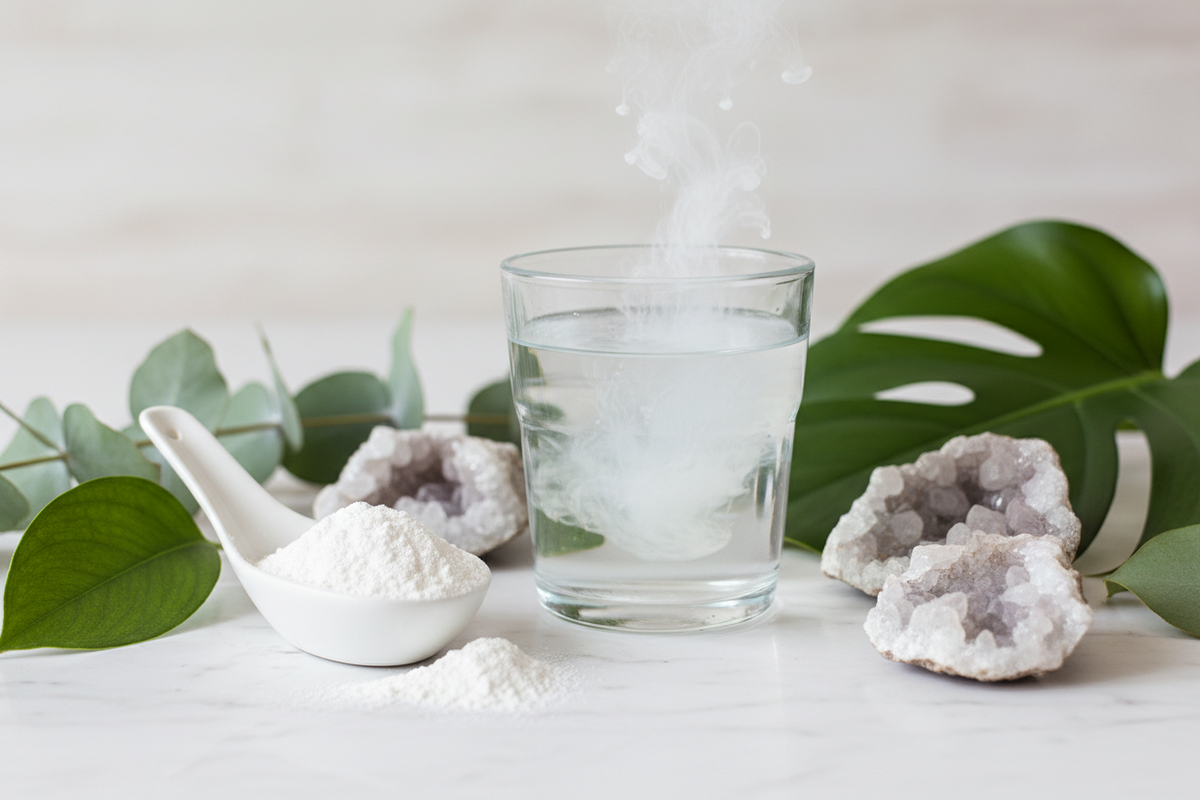
Magnesium Bisglycinate: Benefits, Dosage, Safety, Research, and Why We Use It
Magnesium bisglycinate is a gentle, well-tolerated form of magnesium often used in nighttime formulas for relaxation, sleep quality, and recovery support. The strongest evidence is that magnesium is essential human nutrition, while sleep benefits are promising but modest and depend on dose, baseline intake, and overall sleep habits.

Lemon Verbena Extract: Benefits, Dosage, Safety, Research, and Why We Use It
Lemon verbena extract is a polyphenol-rich botanical best known for verbascoside, a plant compound studied for recovery, oxidative stress balance, sleep quality, and appetite support when paired with hibiscus. It is promising, but it is not a magic weight-loss or blood sugar ingredient.

Passion Flower Extract: Benefits, Dosage, Safety, Research, and Why We Use It
Passion flower extract has a long traditional history and preliminary human research for relaxation, situational anxiety, and sleep support. This physician-minded guide explains what the studies actually show, why extracts are not interchangeable, how the 90 mg Sleep Control dose should be interpreted, and the safety details consumers should know.

Chamomile Extract: Benefits, Dosage, Safety, Research, and Why We Use It
Chamomile extract is a gentle botanical studied for sleep quality, relaxation, and anxiety symptoms. This physician-reviewed guide explains how chamomile works, what human research actually shows, studied doses, safety concerns, and why Take Control Science includes it in Sleep Control.
L-Citrulline: Benefits, Dosage, Safety, Research, and Why We Use It
L-citrulline is an amino acid that increases arginine availability and may support nitric oxide production, vascular function, and selected exercise outcomes. This evidence-based guide explains what research shows, clinically studied doses, safety considerations, and why small formulation doses should not be confused with gram-level clinical protocols.
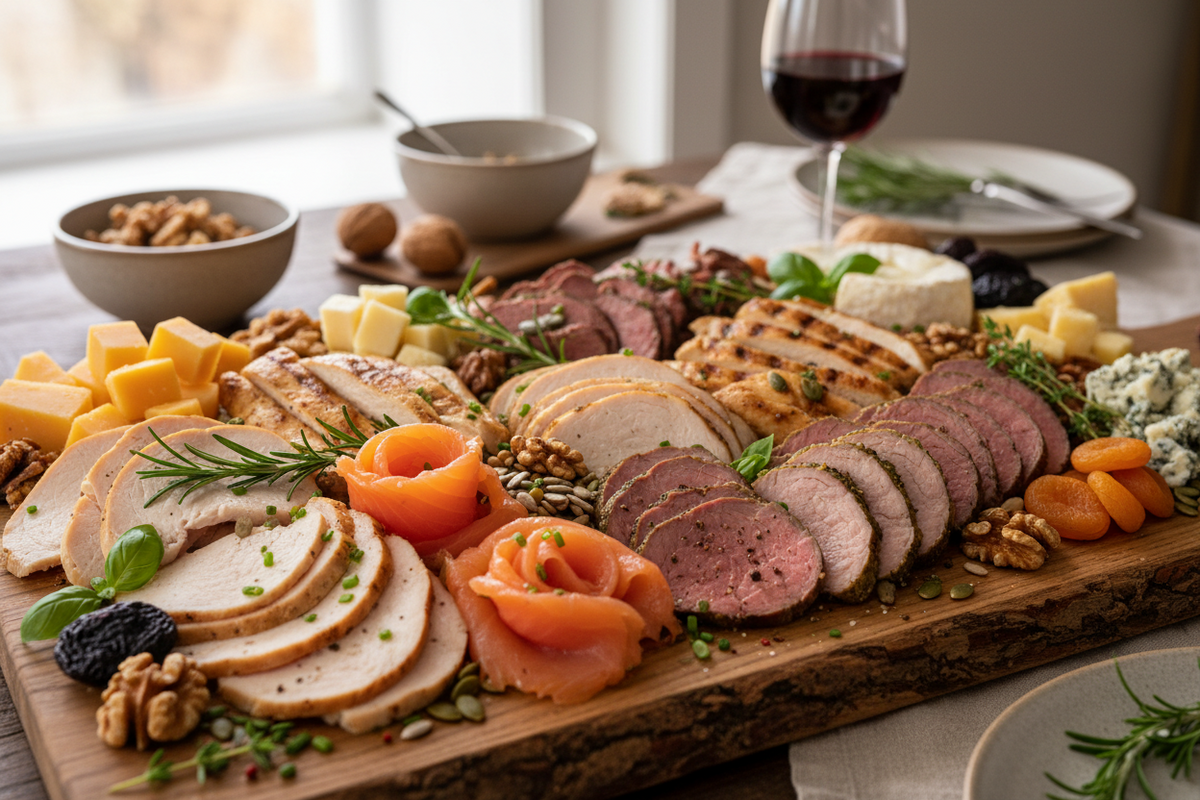
L-Tryptophan: Benefits, Dosage, Safety, Research, and Why We Use It
L-tryptophan is an essential amino acid involved in protein synthesis, serotonin production, melatonin pathways, and normal metabolism. Research suggests it may modestly support sleep continuity at gram-level doses, but effects on mood and other outcomes remain preliminary. This guide explains the benefits, studied doses, safety concerns, medication interactions, and why Take Control Science uses a lower complementary dose.

L-Theanine: Benefits, Dosage, Safety, Research, and Why We Use It
L-theanine is a tea-derived amino acid studied for focused attention, stress support, and healthy sleep. This physician-reviewed guide explains what the research shows, where claims exceed the evidence, how much has been studied, and why Take Control Science uses 200 milligrams in Sleep Control.

Beet Root Extract: Benefits, Dosage, Safety, Research, and Why We Use It
Beet root extract is best known for supporting nitric oxide biology, healthy blood flow, and exercise-related performance when it provides meaningful dietary nitrate. This article explains what the research actually shows, why nitrate standardization matters, and why Take Control Science uses beet root extract in Sleep Control as part of a broader nighttime recovery formula.

Hibiscus Extract: Benefits, Dosage, Safety, Research, and Why We Use It
Hibiscus extract is a polyphenol-rich botanical best known for its research on blood pressure support and cardiometabolic health. The evidence is strongest for blood pressure, more mixed for cholesterol and glucose, and limited for weight loss, making hibiscus a thoughtful support ingredient rather than a miracle solution.
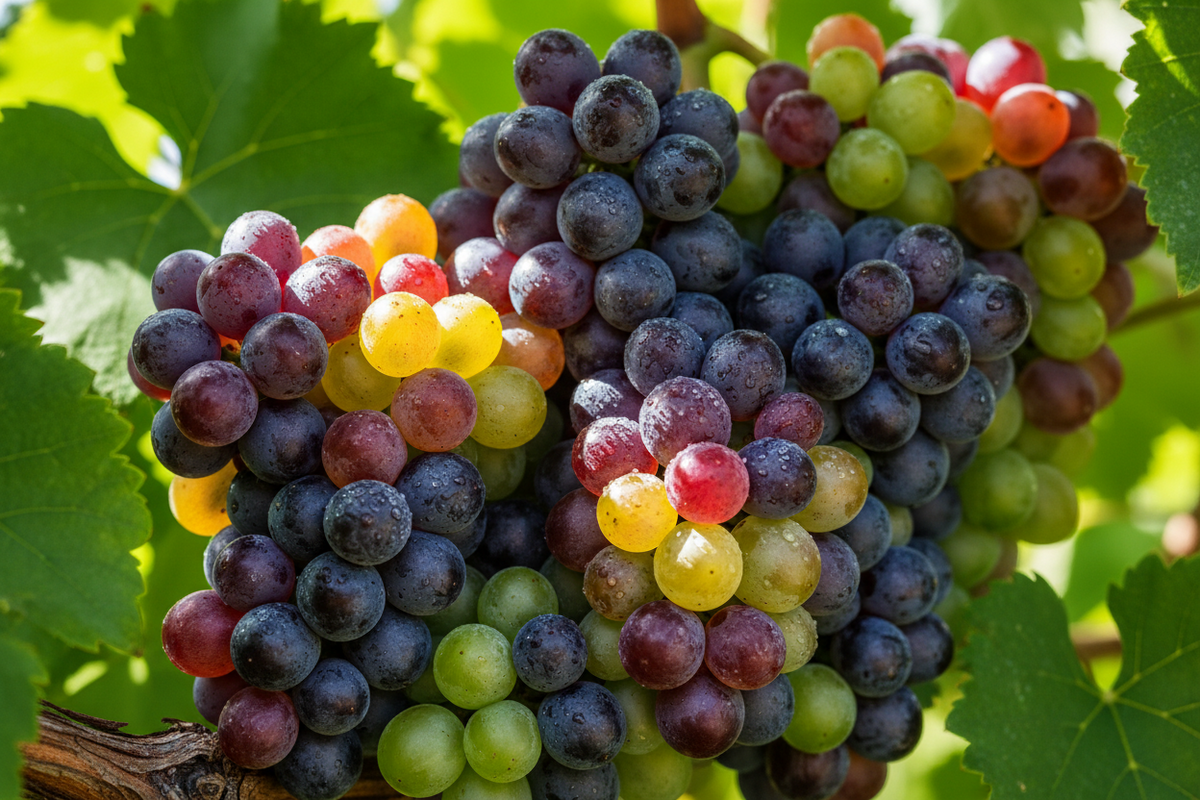
Grape Seed Extract: Benefits, Dosage, Safety, Research, and Why We Use It
Grape seed extract is a concentrated source of grape-derived polyphenols, especially proanthocyanidins. Human research suggests it may modestly support vascular health, blood pressure markers, lipid metabolism, antioxidant balance, and cardiometabolic wellness when used as part of a healthy lifestyle.

Bergamot Extract: Benefits, Dosage, Safety, Research, and Why We Use It
Bergamot extract is a citrus polyphenol ingredient best studied for supporting healthy cholesterol and triglyceride metabolism. This guide explains the research, mechanisms, dosage, safety considerations, and why Take Control Science uses bergamot extract in Core Control.
Alpha-Lipoic Acid: Benefits, Dosage, Safety, Research, and Why We Use It
Alpha-lipoic acid is a mitochondrial redox compound studied for metabolic health, antioxidant defense, glucose metabolism, inflammatory balance, and nerve-related outcomes. This guide explains what the research shows, where evidence is mixed, how dosage matters, and why Take Control Science uses ALA in Core Control.
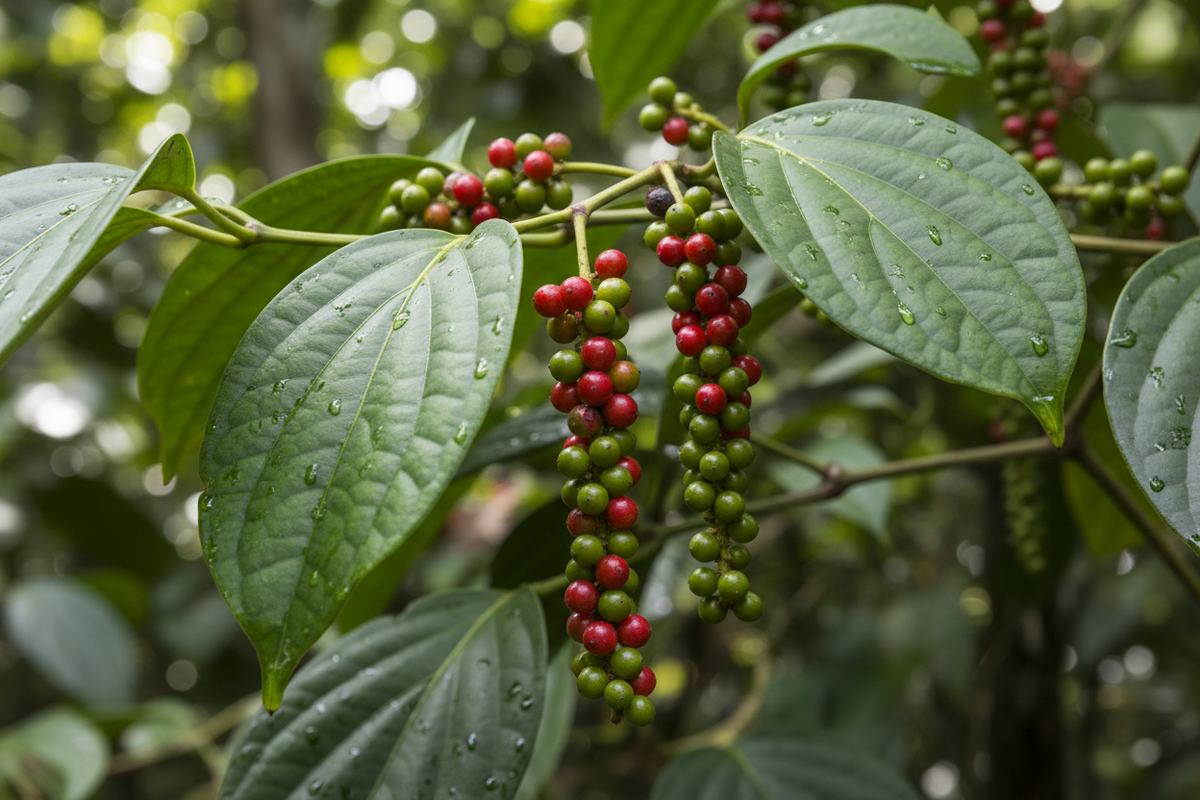
BioPerine®: Benefits, Dosage, Safety, Research, and Why We Use It
BioPerine® is a standardized black pepper extract used to support the absorption and bioavailability of selected nutrients and plant compounds. Its strongest evidence is as a formulation enhancer, especially with compounds such as curcumin, beta-carotene, and CoQ10, while safety requires caution for people taking medications.
Chromium: Benefits, Dosage, Safety, Research, and Why We Use It
Chromium is a trace mineral best known for its relationship with insulin signaling and glucose metabolism. The research is promising in some metabolic contexts, mixed overall, and often overstated in supplement marketing.

Vitamin B12: Benefits, Dosage, Safety, Research, and Why We Use It
Vitamin B12 is an essential nutrient for red blood cell formation, DNA synthesis, nerve function, methylation, and homocysteine metabolism. Its strongest evidence is not as a universal energy booster, but as a foundational nutrient for people with low intake, absorption challenges, or medication-related risk.
Magnesium Citrate: Benefits, Dosage, Safety, Research, and Why We Use It
Magnesium citrate is a well-absorbed form of magnesium that helps support normal energy metabolism, muscle and nerve function, glucose metabolism, blood pressure physiology, and bone health. This guide explains what the research actually shows, where the evidence is strongest, how dosage works, and why Take Control Science uses magnesium as part of a broader metabolic support strategy.
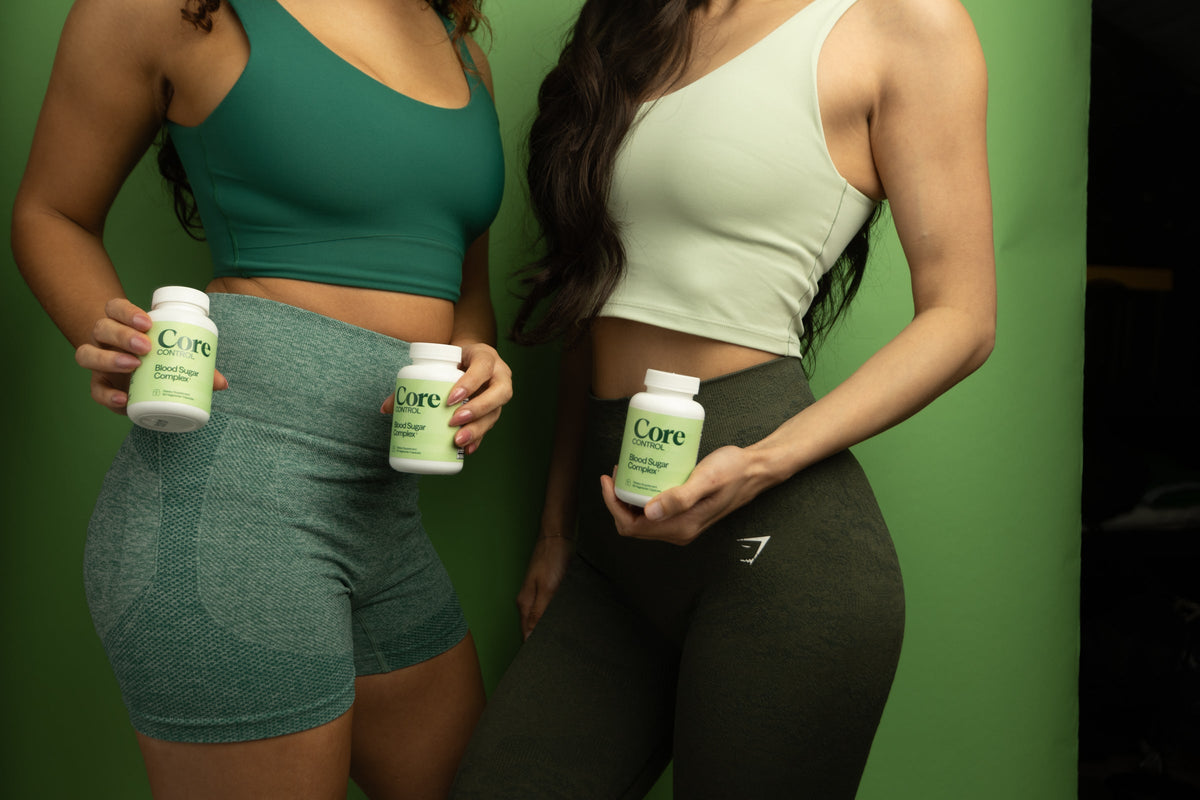
Folate: Benefits, Dosage, Safety, Research, and Why We Use It
Folate, also known as vitamin B9, supports DNA synthesis, red blood cell formation, methylation, homocysteine metabolism, and pregnancy-related nutrient adequacy. This physician-written guide explains folate benefits, dosage, safety, supplement forms, and why Take Control Science uses methylfolate in Core Control.

Thiamine (Vitamin B1): Benefits, Dosage, Safety, Research, and Why We Use It
Thiamine, also known as vitamin B1, is an essential nutrient that helps the body convert food into usable cellular energy. This evidence-based guide explains thiamine benefits, dosage, safety, benfotiamine research, and why Take Control Science uses it as a foundational metabolic support ingredient.

Vitamin B6: Benefits, Dosage, Safety, Research, and Why We Use It
Vitamin B6 is an essential nutrient involved in protein metabolism, neurotransmitter synthesis, hemoglobin formation, immune function, and homocysteine regulation. This physician-level guide explains what vitamin B6 does, how P5P compares with pyridoxine, what dose makes sense, and why more is not always better.
Creatine Monohydrate: Benefits, Dosage, Safety, Research, and Why We Use It
Creatine monohydrate is one of the most studied ingredients in performance nutrition, with strong evidence for supporting strength, power, repeated high-intensity exercise, and lean mass when paired with resistance training. This physician-minded guide explains how creatine works, how to dose it, what the research actually shows, who may benefit most, and where marketing claims go too far.

Leuvate™ (EAA, Leucine): Benefits, Dosage, Safety, Research, and Why We Use It
Leuvate™ is a leucine-enriched essential amino acid ingredient designed to support the amino acid environment involved in muscle protein synthesis. This evidence-based guide explains how Leuvate™ works, what research supports, where the science is still developing, and why Take Control Science uses it in Protein Control.

Vitamin D3: Benefits, Dosage, Safety, Research, and Why We Use It
Vitamin D3 is the body’s natural sunlight-derived form of vitamin D and plays an essential role in calcium absorption, bone mineralization, muscle function, and normal immune signaling. This physician-written guide explains what the evidence actually shows, where claims are overstated, how dosing works, and why Take Control Science includes vitamin D3 in Protein Control.

Whey Protein Isolate: Benefits, Dosage, Safety, Research, and Why We Use It
Whey protein isolate is a purified, milk-derived complete protein that helps support daily protein intake, muscle protein synthesis, lean mass, and recovery when paired with resistance training. This article explains the benefits, dosage, safety, research, and why Take Control Science uses whey protein isolate in Protein Control.


