

Take Control Field Notes

How Late Is Too Late for Caffeine?
Caffeine can affect sleep many hours after you drink it. The best cutoff depends on dose, bedtime, and personal sensitivity—not a universal clock time.

Does Collagen Count Toward Your Protein Goal?
Collagen is dietary protein, but gram for gram it is not interchangeable with complete protein for muscle. Direct trials, a newer meta-analysis, and a practical way to count it.

Does Berberine Actually Lower Blood Sugar?
Berberine can improve short-term glucose markers in some people with type 2 diabetes, but the evidence is uneven and most trials used 900–1,500 mg per day. Dose, interactions, and evidence limits matter.

Can You Lose Weight Without Losing Muscle?
Some fat-free-mass loss is common during calorie restriction, but it is not fixed. A 2026 meta-analysis found that exercise prevented nearly half of the loss seen with diet alone, while adequate protein adds another layer of protection.

Does Magnesium Help You Sleep?
Magnesium may modestly improve some subjective sleep symptoms, especially in adults with poor sleep or low intake. But the latest review of randomized trials found inconsistent results and low-certainty evidence—not enough to treat it as a routine insomnia therapy.

Does Creatine Cause Hair Loss?
The creatine hair-loss rumor began with a small study that measured DHT but not hair. A newer randomized trial directly measured hair density, follicular units, and thickness—and found no difference from placebo over 12 weeks.
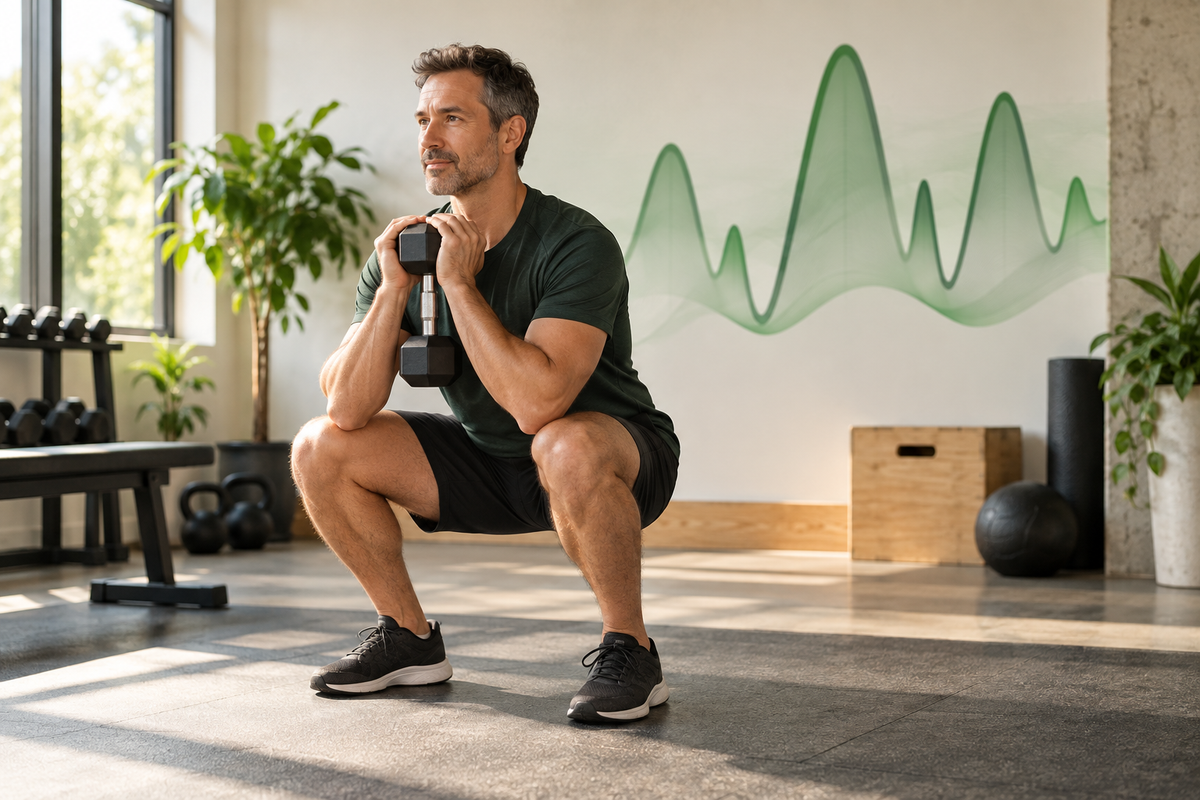
Can Lifting Weights Lower Blood Pressure?
Resistance training is not just for muscle. Recent reviews suggest regular strength training can lower resting and 24-hour blood pressure, especially in adults with elevated blood pressure. The effect is usually modest, estimates vary, and combining lifting with aerobic exercise remains the more complete approach.

Is Zone 2 Cardio Actually Special?
Zone 2 cardio is useful because it is sustainable, repeatable, and capable of improving aerobic fitness and mitochondrial adaptations. But current evidence does not show that this exact intensity is uniquely optimal. The best training plan usually uses Zone 2 as one tool rather than treating it as the only aerobic work that counts.

Do You Really Need 10,000 Steps a Day?
You do not need to hit 10,000 steps a day to benefit from walking. Large prospective studies and recent meta-analyses show meaningful associations well below that mark, with roughly 7,000 steps emerging as a practical target for many adults—not a new biological threshold.
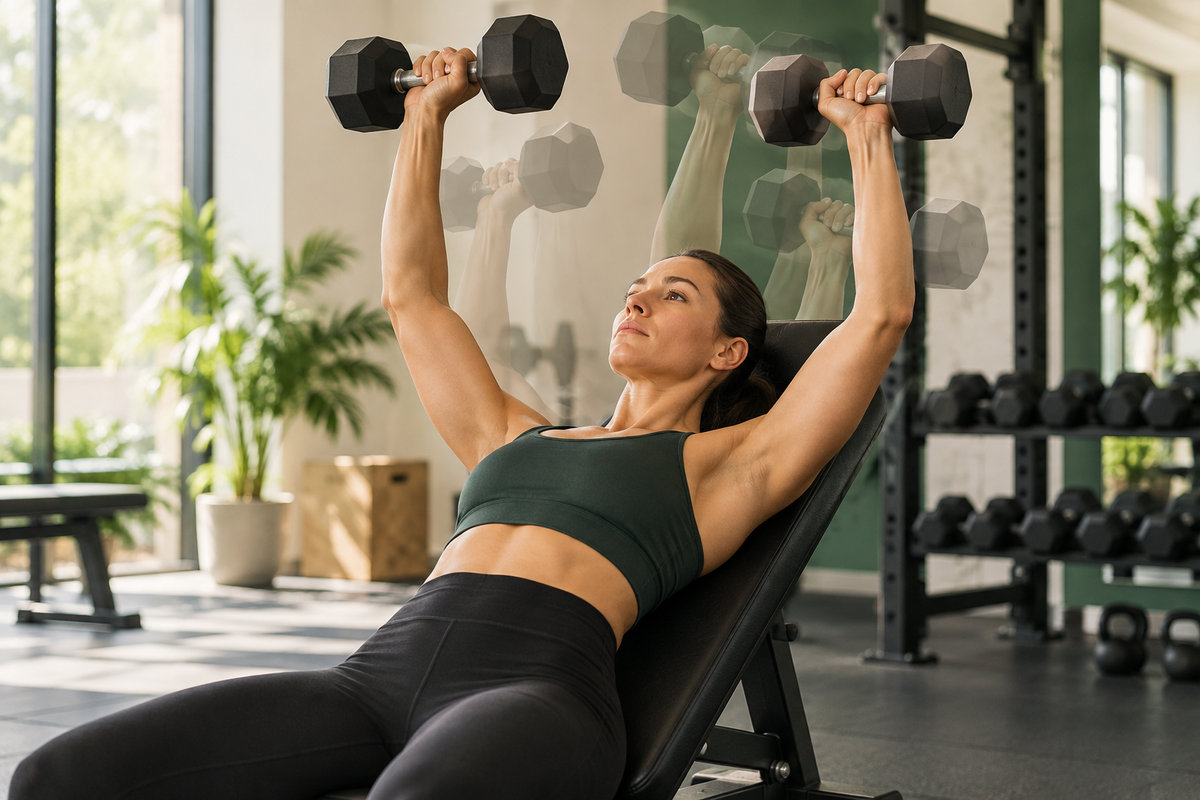
Do You Need to Train to Failure to Build Muscle?
Training to failure can build muscle, but it is not a prerequisite. Current trials and meta-analyses suggest that hard sets stopped just short of failure can produce similar hypertrophy with less acute fatigue, while actual failure may be most useful selectively.
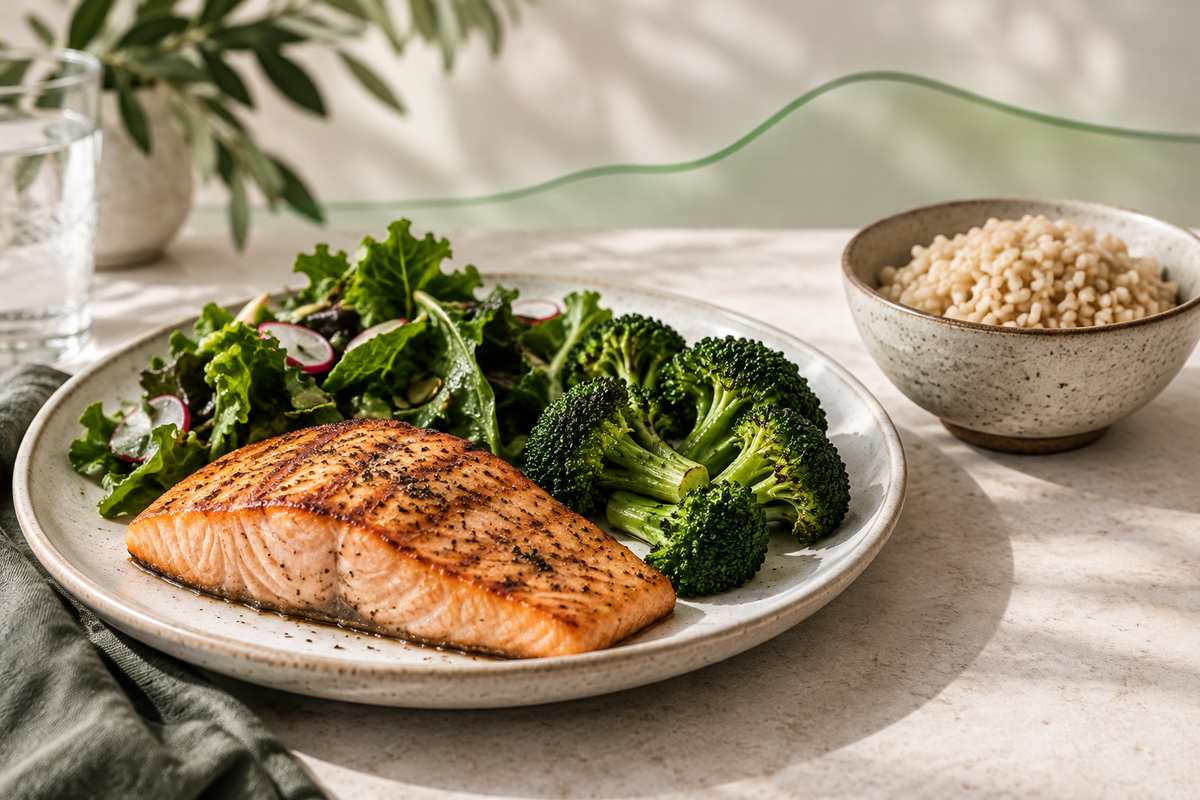
Does Meal Order Matter for Blood Sugar?
With the same foods and calories, eating vegetables and protein before starch can blunt the early post-meal glucose rise. Controlled crossover trials and CGM studies support the short-term effect, but evidence for long-term HbA1c or complication reduction is still limited.
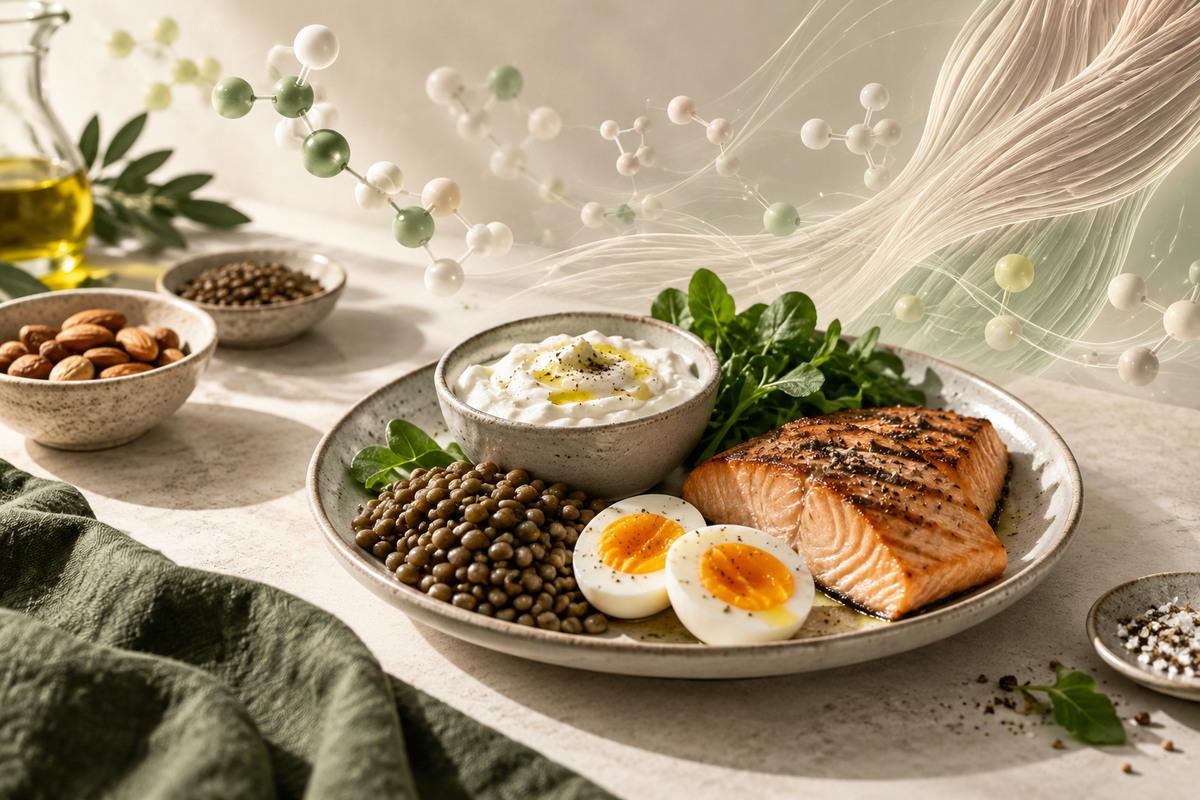
How Much Protein Can You Use in One Meal?
Your body does not “waste” protein above 20 or 30 grams. Acute studies show that the muscle-protein-synthesis response depends on the exercise stimulus and dose, while newer tracer work shows much larger servings can drive a longer anabolic response. The useful question is how to hit an effective daily intake and distribute it in a way you can repeat.

What Short Sleep Does to Insulin Sensitivity
Short sleep does more than make you tired. Controlled trials show that restricting sleep can reduce insulin sensitivity within days, while newer evidence suggests that simply sleeping longer is not always enough to reverse established insulin resistance.
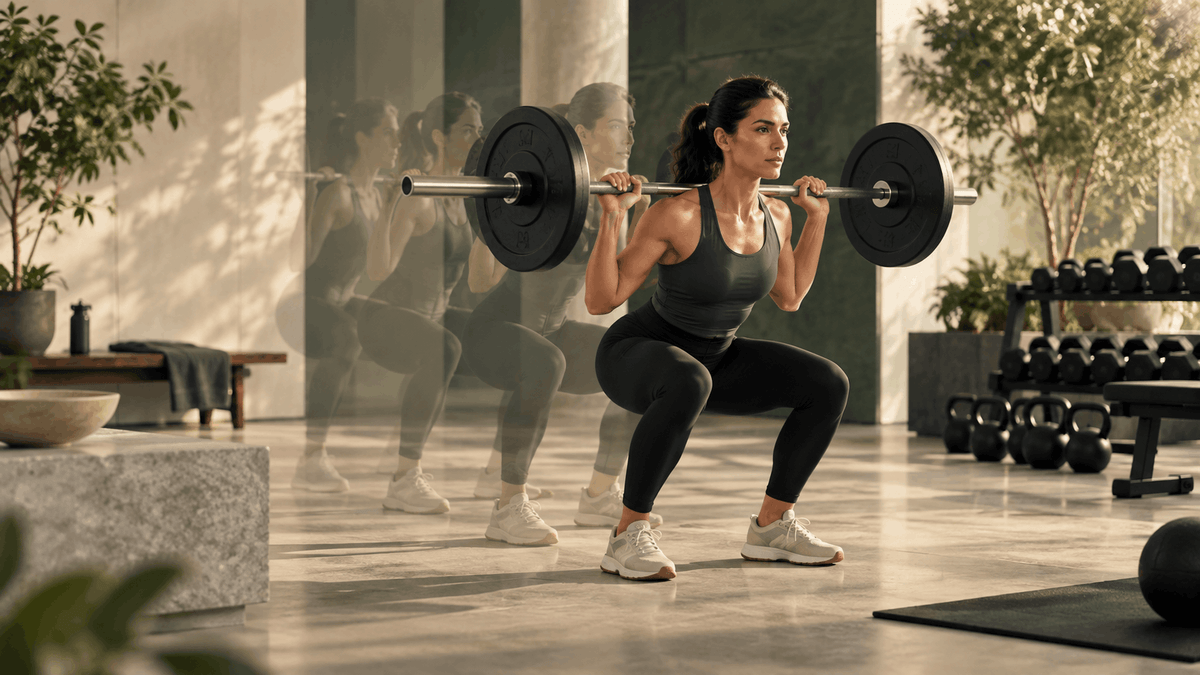
How Often Do You Need to Lift?
How many days a week should you lift? For general health, two is a strong starting point. For muscle and strength, the better question is whether your schedule lets you do enough high-quality work and recover from it.

Walking After Meals: What It Does to Blood Sugar
Walking after a meal is a remarkably simple way to change the immediate glucose response. Here is what randomized trials and a meta-analysis actually show about timing, duration, and where this habit fits in the bigger metabolic-health picture.


